
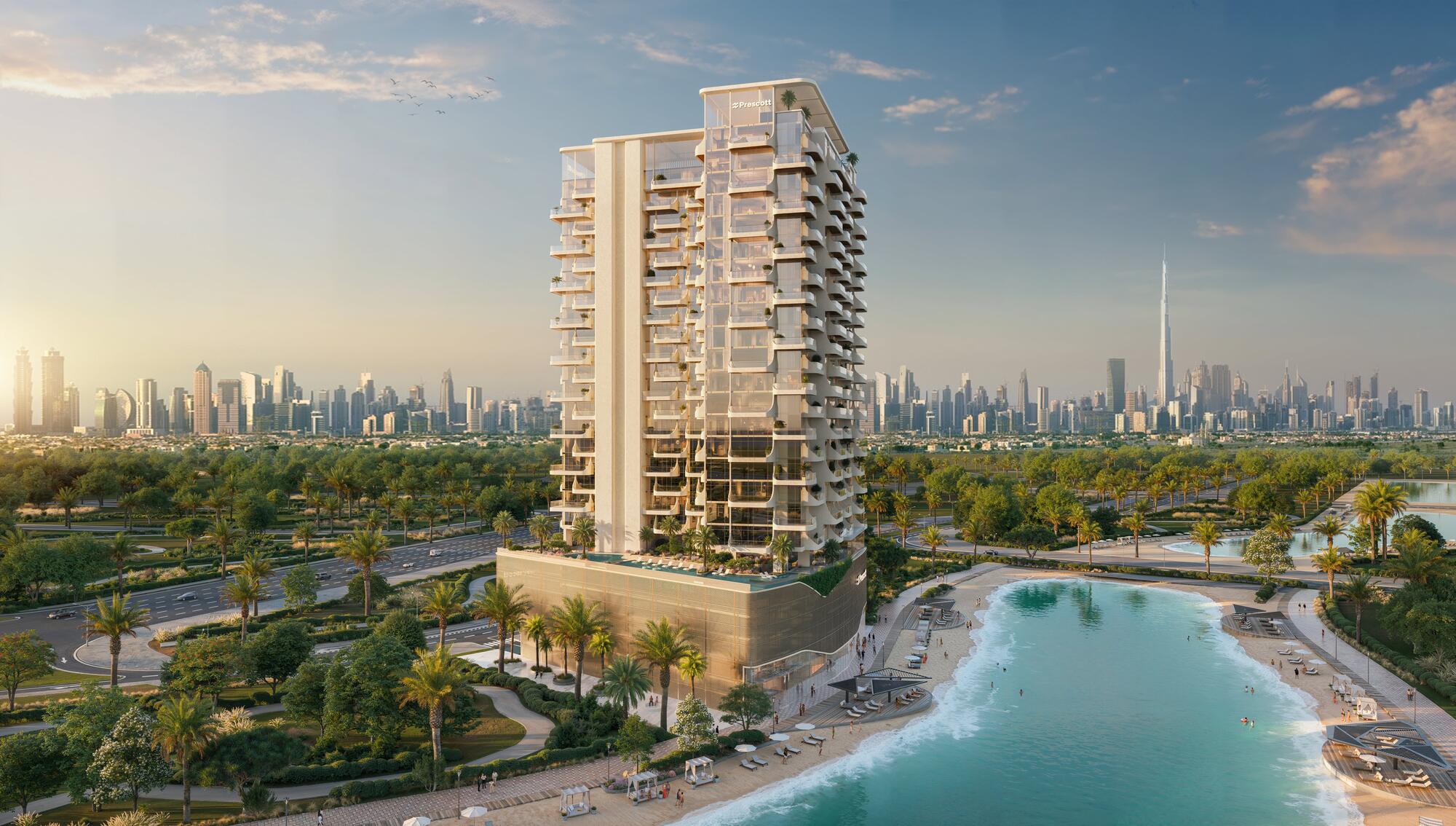
Starting a property project from the ground up takes a clear financial strategy, realistic numbers, and strong market knowledge. Developers usually combine personal funds, private investors, bank financing, and other funding sources to cover land, construction, permits, design, and marketing expenses. A solid financial structure helps keep spending under control while giving the project room to grow. For Dubai development real estate, smart financing sets the foundation for steady progress.
Start with a detailed budget
Begin by listing every expected expense. Include land costs, architectural services, permits, construction materials, labor, insurance, marketing, utilities, and professional fees. Add a reserve for unexpected expenses so one cost increase does not disrupt the entire project. A detailed budget also helps you estimate the total funding amount. Break expenses into project stages and assign realistic timelines to each stage. This information gives lenders and investors a clear picture of the financial requirements.
Use personal capital wisely
Personal funds can cover early expenses such as land deposits, surveys, legal services, and initial design work. Personal capital also demonstrates financial commitment when approaching lenders or investors. Avoid putting all available cash into one project. Keep a separate reserve for personal and business obligations. A balanced approach protects your finances while supporting the development.
Explore bank financing
Construction loans remain a common option for property developers. Banks usually review the developer’s financial strength, project budget, property value, expected sales or rental income, and repayment strategy. Prepare documents before approaching lenders. A professional business plan, detailed cost estimate, projected cash flow, property information, and repayment schedule can make the application easier to assess.
Bring in private investors
Private investors can provide equity funding in exchange for a share of project profits or ownership. This option can reduce reliance on large loans, although investors usually expect clear financial returns. Present the project with honest figures. Explain the purchase price, development costs, expected revenue, timeline, risks, and exit strategy. Clear communication helps establish confidence from the start.
Consider alternative funding sources
Developers can also explore crowdfunding platforms, joint ventures, mezzanine finance, and private lending. Each source comes with different costs, conditions, and risk levels. Compare financing terms before making a decision. Interest rates, repayment periods, investor expectations, fees, and ownership arrangements all affect the final project return.