
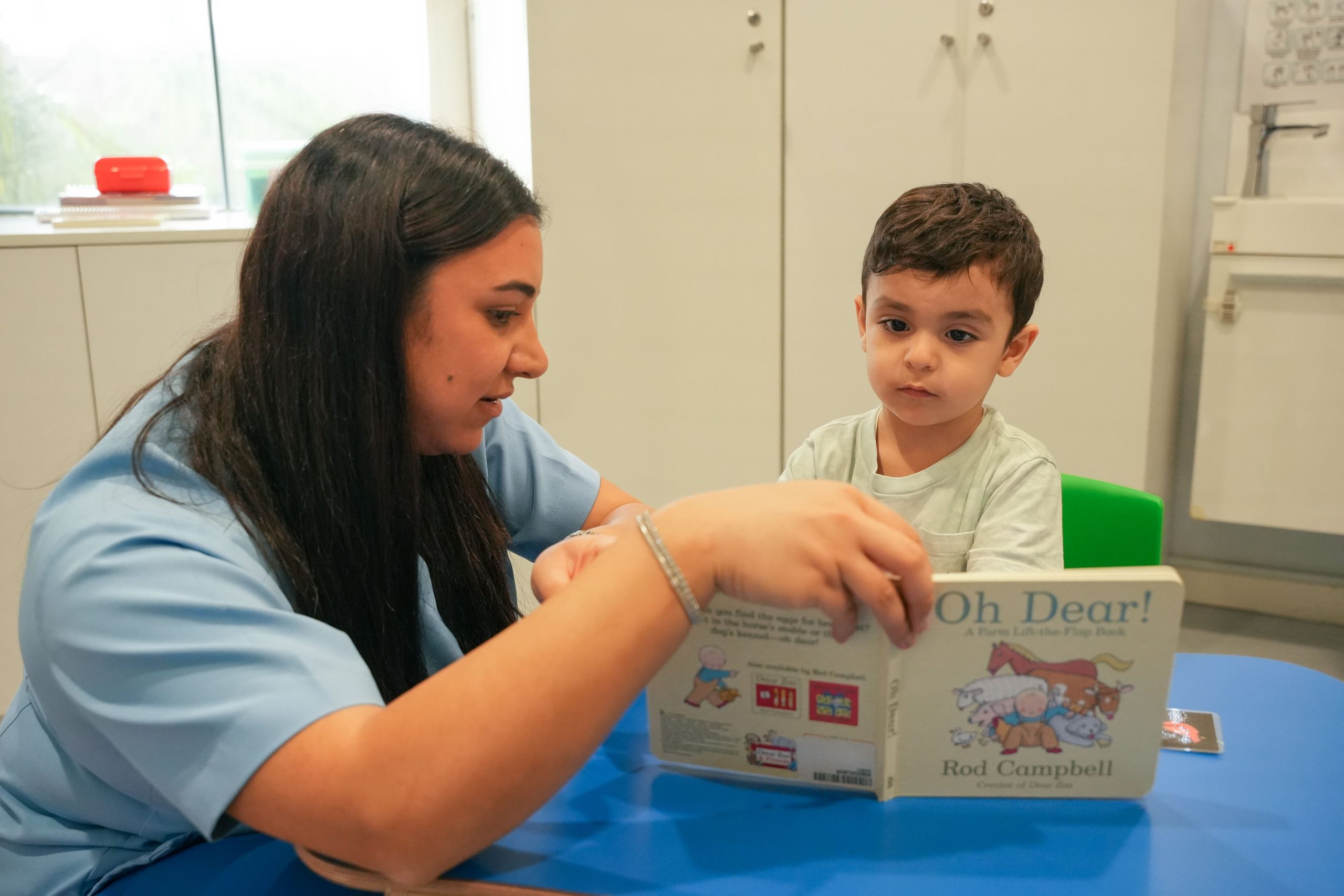
A child who struggles to pronounce certain sounds or express thoughts clearly may respond differently when traditional exercises are paired with interactive technology. Digital speech tools, visual learning applications, audio feedback, and progress-tracking software can make language sessions more engaging while helping therapists tailor activities to individual needs.
Technology does not replace the human connection behind effective speech therapy; it gives therapists additional ways to support learning. Explore how the speech clinic Dubai can use modern tools to make language training more interactive, personalized, and effective.
Interactive language activities
Interactive applications turn language exercises into engaging tasks that encourage children to respond, listen, identify, and speak. Therapists select activities that match each child’s communication goals, rather than relying on technology alone. Picture prompts, matching games, vocabulary exercises, and sentence-building tasks provide repeated practice. Therapists observe responses and adjust activities according to each child’s progress during sessions.
Digital speech recording
Recording tools allow therapists to capture speech samples during selected exercises. These recordings help professionals compare pronunciation, fluency, pacing, and sound production across sessions. Children can also hear their own speech and practise specific sounds with guided feedback.
Visual learning tools
Digital screens provide colourful images, animations, symbols, and written prompts that support language activities. Visual information can help children connect words with objects, actions, emotions, and concepts. Therapists can display sequences that encourage storytelling or arrange pictures that support sentence construction. These tools add variety to sessions while maintaining direct communication between the therapist and child.
Technology supports personalized goals
Modern software lets therapists select activities based on individual communication targets. One child may practise articulation, while another focuses on vocabulary, sentence structure, comprehension, or social communication. Adjustable difficulty levels allow therapists to increase or reduce task complexity during sessions.
Progress tracking systems
Digital records help therapists organize information about session performance and skill development. Professionals can record observations, track selected goals, and review changes across multiple appointments. Progress data supports discussions with parents and helps therapists decide which activities deserve greater focus. Clear records also make it easier to identify patterns in communication development over time.
Some clinics provide digital exercises that parents can use during home routines. Therapists may recommend specific activities involving vocabulary, pronunciation, listening, or conversation. Short practice sessions can reinforce skills introduced during therapy. Parents can also share observations with therapists, giving professionals additional information about communication outside the clinic environment and supporting consistent practice across settings.