
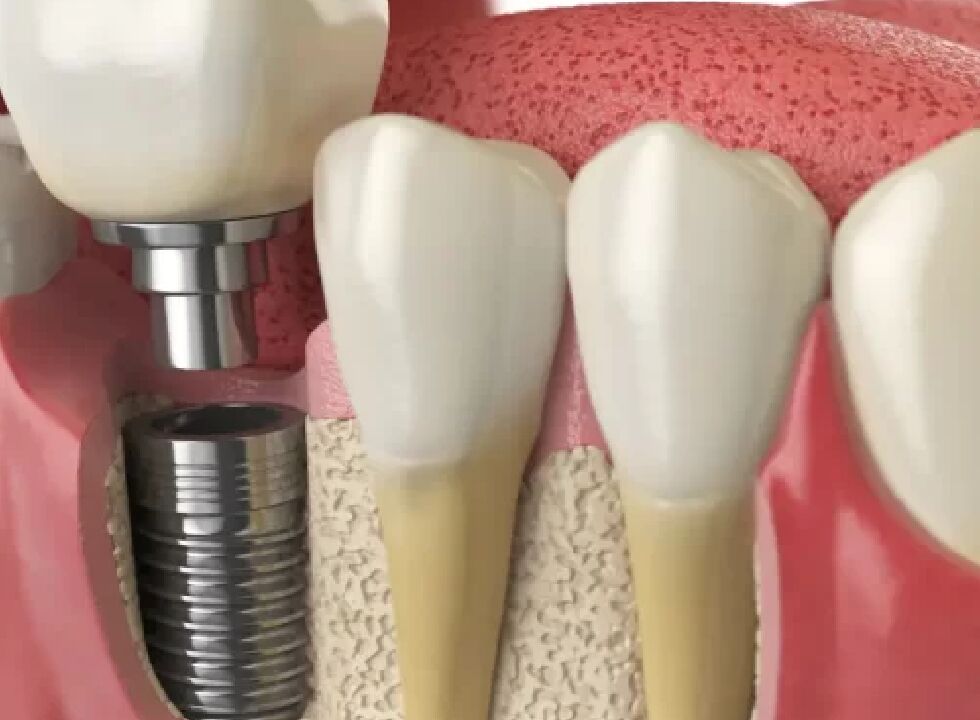
When bone loss has reshaped the jawline or multiple missing teeth have disrupted the entire bite, standard implant solutions frequently fall short of addressing the full scope of the problem. The clinical team must instead design a tailored strategy that rebuilds both structural integrity and natural function from the ground up.
Advanced imaging technologies and surgical expertise combine to create a clear roadmap for each unique oral condition. A trustworthy dental implant clinic near me changes these intricate challenges into predictable, long-lasting outcomes through precise planning and execution.
Comprehensive diagnostic evaluation:
Every complex case begins with an exhaustive assessment using three-dimensional cone beam scans and digital bite registrations. These diagnostic tools reveal bone density, nerve pathways, and sinus cavity positions with exceptional clarity. The clinical team analyses this data to identify potential obstacles before any surgical procedure takes place. This thorough evaluation forms the foundation for a reliable treatment blueprint that anticipates every anatomical variation.
Customized treatment sequencing:
Complex rehabilitation often requires a staged approach rather than a single surgical event. Bone grafting procedures may precede implant placement to create adequate support structures. Temporary prosthetics maintain aesthetic appearance and oral function during the healing intervals. This careful sequencing allows each phase to heal completely before progressing to the next stage of reconstruction.
Advanced bone reconstruction techniques:
Significant bone deficiency demands regenerative procedures using graft materials that encourage new bone formation. Sinus lifts create additional height in the upper jaw for posterior implant support. Ridge expansion techniques widen narrow alveolar ridges to accommodate standard implant diameters. These surgical methods restore the foundation necessary for stable, long-term implant integration.
Precision implant positioning:
Surgical guides fabricated from digital treatment plans enable exact implant angulation and depth control. This precision avoids critical anatomical structures while maximising available bone contact. Computer-guided placement reduces surgical time and postoperative discomfort significantly. Accurate positioning also simplifies the prosthetic phase by creating ideal restorative angles from the outset.
Provisional restoration strategies:
Temporary teeth fabricated during the initial surgical phase maintain patient confidence and oral function. These provisional restorations allow the clinical team to evaluate aesthetic outcomes and occlusal relationships. Any necessary adjustments can be made before the final prosthetic fabrication commences. This iterative process ensures patient satisfaction with the eventual definitive restoration.