
Industrial buildings face demanding conditions that ordinary construction materials may struggle to handle over time. Heavy equipment, large open spaces, substantial structural loads, harsh environments, and frequent operations all place significant demands on the building.
Steel offers the strength, flexibility, durability, and fabrication possibilities needed for many industrial applications, allowing structures to be designed around specific operational requirements. This is why steel fabrication continues to play a vital role in creating industrial buildings that can support demanding operations for years to come.
Superior structural strength
Steel delivers an impressive strength-to-weight ratio, allowing engineers to design sturdy frames without excessive structural mass. Columns, beams, trusses, and other components handle substantial loads while supporting efficient floor layouts. This combination suits warehouses, factories, distribution centers, workshops, and processing facilities.
Faster construction processes
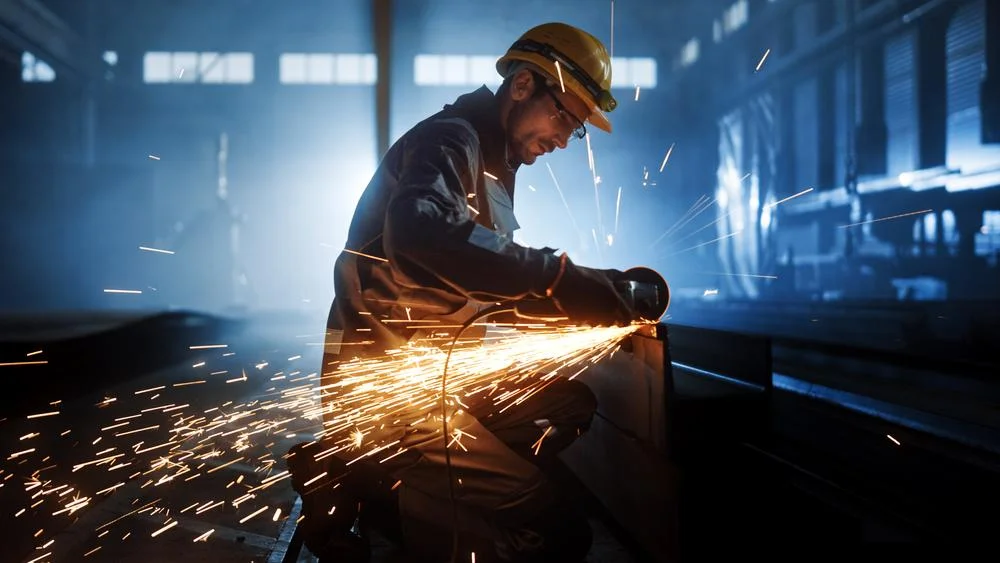
Industrial projects frequently operate under demanding schedules, so construction speed matters. Fabrication shops cut, drill, weld, and assemble steel components according to detailed drawings before they reach the site. Crews then connect prepared sections more efficiently, reducing site work and helping projects reach operational stages sooner. Predictable fabrication also supports smoother coordination among contractors and installation teams.
Flexible design options
Steel fabrication gives designers broad freedom when industrial buildings require large spans, high ceilings, mezzanines, crane systems, or specialized equipment zones. Fabricators produce components to precise dimensions, supporting accurate connections and consistent structural alignment. Steel also accommodates future extensions, internal modifications, and equipment upgrades, giving facility owners useful flexibility as production requirements evolve.
Reliable long-term performance
Industrial buildings face heat, moisture, machinery vibration, impact, and demanding working conditions. Properly specified steel assemblies provide dependable structural performance under these pressures. Protective coatings, suitable grades, sound welding practices, and accurate inspections help shield components from corrosion and fabrication defects.
Practical cost control
Cost control also strengthens the case for steel. Standardized sections, efficient fabrication, accurate material calculations, and organized installation help reduce waste and labor hours. Steel components also offer consistent quality because fabrication takes place under controlled shop conditions. When owners evaluate the full construction cycle, these advantages support practical budgets while maintaining structural performance and operational value.
Industrial construction keeps evolving as facilities adopt automation, larger machinery, energy systems, and changing production layouts. Steel remains adaptable enough to support these shifts. Its strength, fabrication precision, installation efficiency, and design flexibility give engineers a reliable structural solution for demanding facilities. For owners, this combination supports durable buildings that remain useful as industrial operations develop for years ahead.