
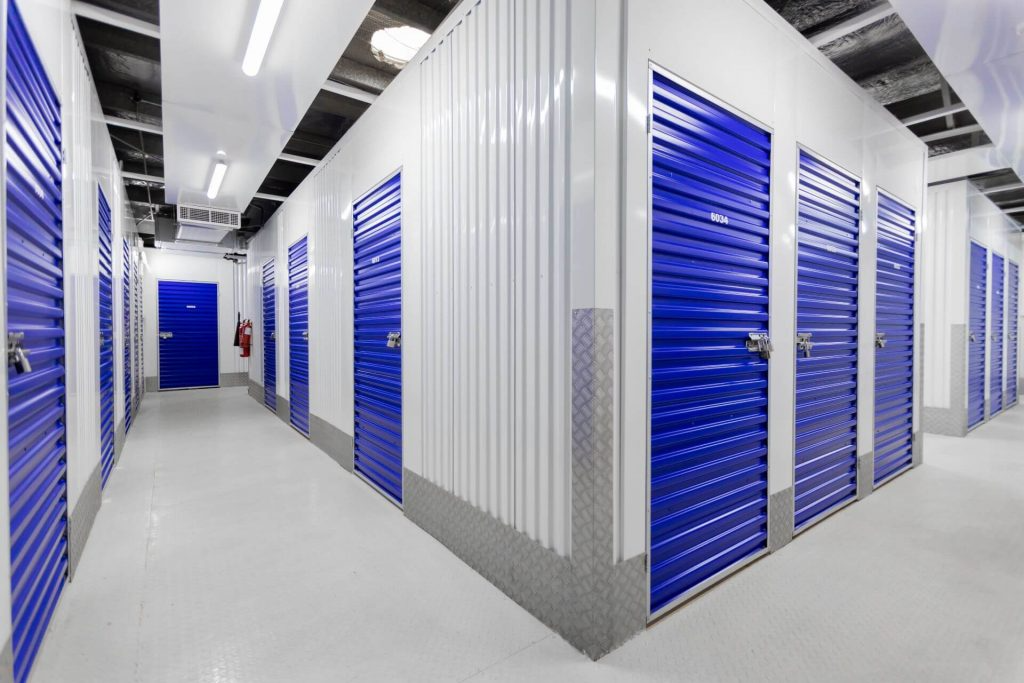
Storing belongings in a unit means keeping valuable or important items outside your home, so security deserves serious attention. Theft risks can involve unauthorized access, weak locks, poor facility controls, or careless handling of access details.
A secure storage arrangement pairs strong facility measures with sensible renter precautions. These considerations become especially relevant when people use self storage units in Dubai to keep personal or business belongings.
Choose a facility with strong security
Pay close attention to a storage facility’s security features before you rent a unit. Look for CCTV cameras, gated entrances, bright lighting, and security personnel. Facilities with electronic access systems also help restrict entry to authorized visitors. Ask management about their security procedures and how often staff monitor the premises. A facility with several security measures offers better protection for your belongings.
Invest in a high quality lock
A reliable lock provides the first line of defence against unauthorized access. Choose a heavy duty disc lock or a closed shackle padlock because both designs resist common break in techniques. Avoid inexpensive locks with exposed shackles, as thieves can cut them more easily. Check the lock regularly for signs of damage and replace it immediately if you notice anything unusual.
Organize your belongings strategically
The arrangement of your stored possessions also affects their security. Place valuable electronics, jewellery, and important documents inside secure containers. Keep expensive items away from the entrance so they remain less visible when you open the unit. Use sturdy boxes with clear labels to organize your belongings. For particularly valuable possessions, consider a separate locked cabinet inside your storage unit.
Maintain an inventory of stored items
An accurate inventory helps you monitor your possessions and identify missing items. Record the details of valuable belongings, including their model numbers, serial numbers, and purchase dates. Take photographs before placing them in storage and keep digital copies of receipts. Update your inventory whenever you add or remove something. These records also help you provide useful evidence if theft occurs.
Inspect your storage unit regularly
Regular visits help you identify suspicious activity and potential security problems. Check your lock, door, and surrounding area whenever you visit. Look for scratches, damaged hinges, or other signs of attempted entry. Report unusual activity to facility management immediately. You should also review your rental agreement and insurance coverage to understand the protection available for your stored possessions.