
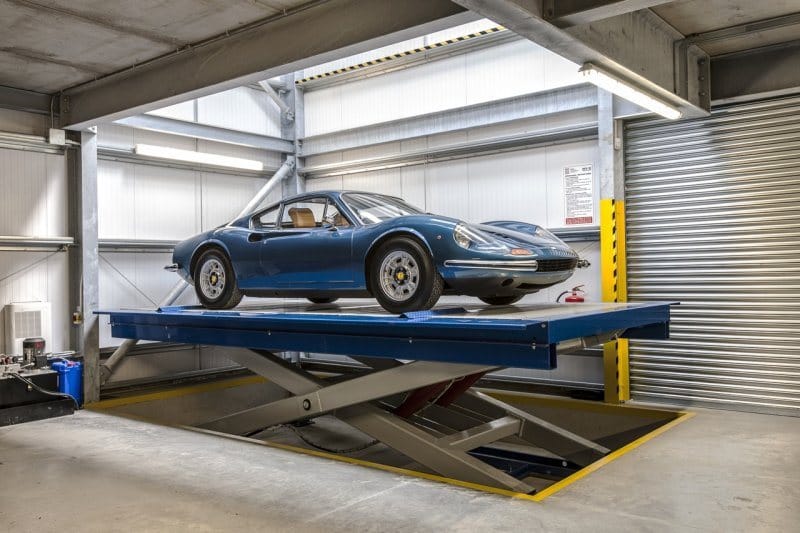
A shiny new car lift system sitting in a workshop looks like a perfect solution for quick repairs and storage. That gleaming steel structure promises efficiency and convenience with every use. But beneath that attractive exterior, serious risks wait for any owner who chooses an uncertified model. The choice of an uncertified car lift system Abu Dhabi carries consequences that reach far beyond simple vehicle storage.
The financial trap:
Buying an uncertified lift often seems cheaper at first glance, but the long-term costs tell a different story. Repair shops face frequent breakdowns that halt work and drain profits. Replacement parts for these units prove difficult to locate, forcing owners to wait weeks for simple fixes. Lost business during downtime adds up quickly, wiping out any initial savings from the cheaper purchase. Insurance companies also charge higher premiums when they discover uncertified equipment on the premises.
Safety failures:
Uncertified lifts lack proper testing for weight capacity and structural integrity. A vehicle weighing several tons sits above workers who trust that equipment with their lives. Steel components in uncertified models show weaker welds and thinner materials that crack under pressure. Sudden collapses happen without warning, crushing vehicles and endangering anyone nearby. Professional workshops have reported horrific accidents that resulted from these equipment failures.
Liability nightmares:
When an accident occurs with an uncertified lift, legal responsibility falls entirely on the business owner. Injured employees file workers’ compensation claims that insurance refuses to cover. Customers whose vehicles get damaged sue for repair costs and diminished value. Courts view uncertified equipment as negligence, making it nearly impossible to win any lawsuit. Legal fees alone can bankrupt a small operation within months.
Inspection failures:
Safety inspectors regularly check commercial workshops and flag any uncertified equipment immediately. Fines accumulate rapidly for each violation found during these routine visits. Authorities issue stop-work orders that shut down operations until compliance improves. Reopening after such an order costs thousands in re-inspection fees and paperwork. Repeated violations eventually lead to permanent license revocation in many jurisdictions.
Hidden wear issues:
Uncertified lifts show no warning signs before catastrophic failure occurs. The absence of proper testing means critical components degrade without visible indicators. Hydraulic fluids leak slowly, reducing lifting capacity over time without obvious symptoms. Electrical systems short out unexpectedly, causing sudden drops that damage expensive vehicles. Regular maintenance cannot fix fundamental design flaws present from the manufacturing stage.